It was a proper anthropogenic heatwave in London last week – so we went to the cinema to cool off. Toy Story 5 is an epic tale of toys (good, wholesome) versus tech (bad, addictive). In one corner are Jessie, Woody, Buzz and the gang. In the other, screen-based gadgets like Lilypad and Smarty Pants.
The tech resistance is heating up. After decades of tech optimism being the driving force, it’s cool to be offline and analogue. Teenagers are buying dumb phones. Event organisers are hosting screen-free club nights. Grown-ups are putting on craft parties. Celebrities are photographed clutching books. Dua Lipa has opened a library.
More importantly, people are waking up to the materiality of the digital world. The protests against data centres are just one example. In the US, anti-tech activism has become such a thing that the authorities treat it as domestic terrorism. In the global South, once-invisible data workers are organising and demanding better rights. Tech companies are finally being successfully sued for addictive design practices.
Meanwhile, for the toys in Toy Story, technology poses an existential threat. “The age of toys is over!” wails one discarded cuddly toy as a spooky mechanical rabbit beats a slow drum in the background. The message is clear – time’s running out. “We’re facing extinction!” yells Jessie. “Not again” grumbles Rex, the anxious dinosaur.
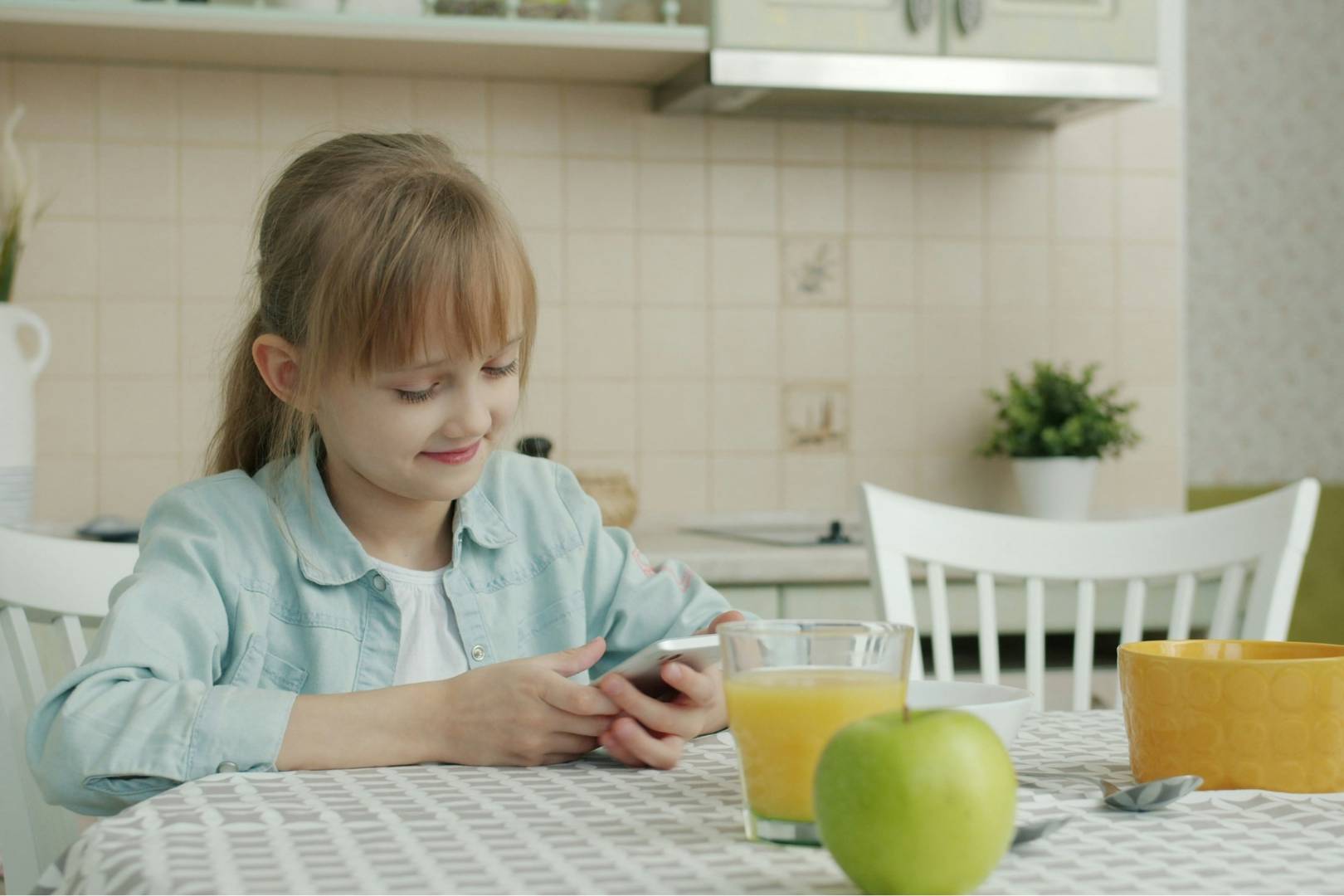
While children slip into a “zombified fog” in front of their devices. Jessie’s owner, Bonnie, struggles to connect because she still plays using her imagination. The toys set out to find her a friend.
Anti-social media
In the government’s recent consultation on social media, maybe it’s not surprising that a huge ninety percent of parent respondents were in favour of a ban. And recent sad events like Social Media Remembrance day have helped drive home the message that letting children use social media is akin to handing them a box of matches. Like the exploitative entrepreneurs of the first industrial revolution, we’re allowing children be damaged – sometimes destroyed – by machines.
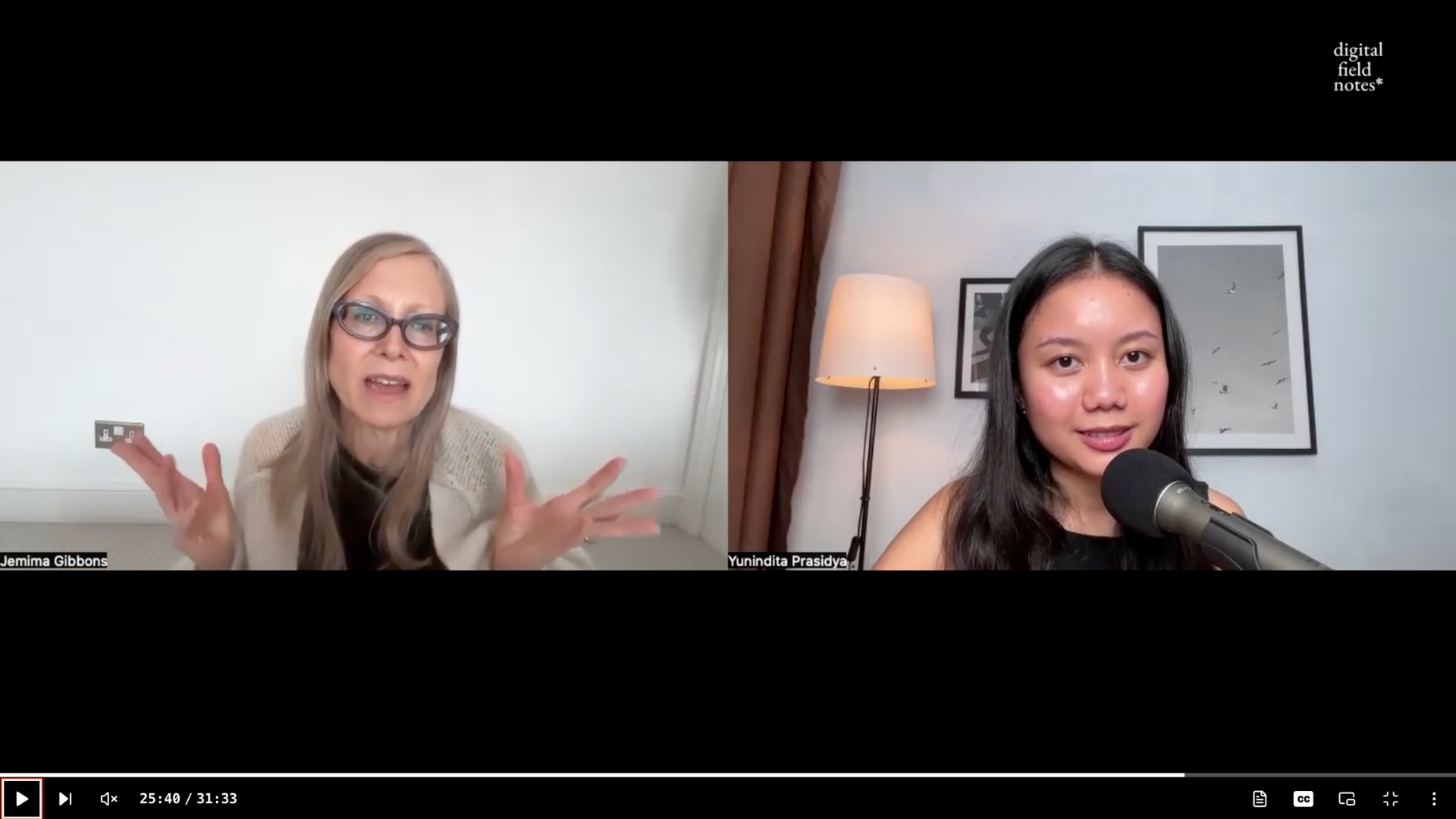
So, if nothing else, UK Prime Minister Keir Starmer was bang on the populist money when he introduced the social media ban last week (shortly before resigning). For once, he seemed to be listening, and reading the room. But, as I said in my recent chat with Yunindita Prasidya, journalist and founder of digital fieldnotes: a social media ban felt inevitable. Starmer is about to leave office, and he’s thinking about his legacy. What better than a “social media ban plus”?
It’s been interesting to see Starmer’s 360 degree turn from full-on Trump flatterer – appointing Peter Mandleson as US ambassador, holding secretive meetings with US tech giant Palantir, handing out gilded invitations for unprecedented second state visits – to standing up to the 47th US President at every given opportunity.
The social media ban feels very much like this. A kind of raspberry blowing before running away and slamming the door behind him. I still don’t believe a social media ban will do the trick. As Dita and I discussed, the real world is far more nuanced and complex than this. Sadly, acknowledging complexity doesn’t get you votes.
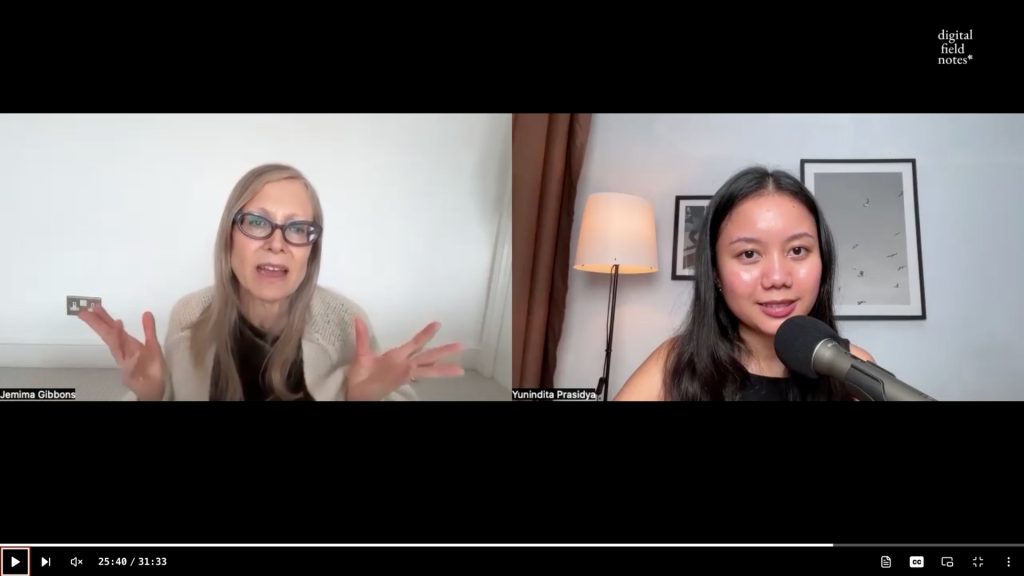
Discussing the social media ban and tech resistance for digital field notes
Right vibes, wrong approach
Academic Marcus Bosch tracks how the concept of “vibes” has evolved over recent years from something simply indicating feelings into something bigger and far more political. He traces a lineage from “vibe shift” in 2022, through “vibecession” the same year, to corporate mainstreaming via “vibe check” in 2023, and finally into “vibe-ocracy,” a term P.E. Moskowitz coined in 2024 for a political and social system where vibes replace traditional ideologies, policy, or objective facts, with feeling taking priority over fact.
Journalist Ryan Broderick builds on this, talking in his newsletter about vibes-based political leadership. For example, how activist Charlie Kirk was killed by a meme or how Trump gets ideas of where to send ICE agents from Fox News (scroll to bottom). I can’t help thinking Keir Starmer was leaning into this type of government when he announced a UK-wide social media ban.
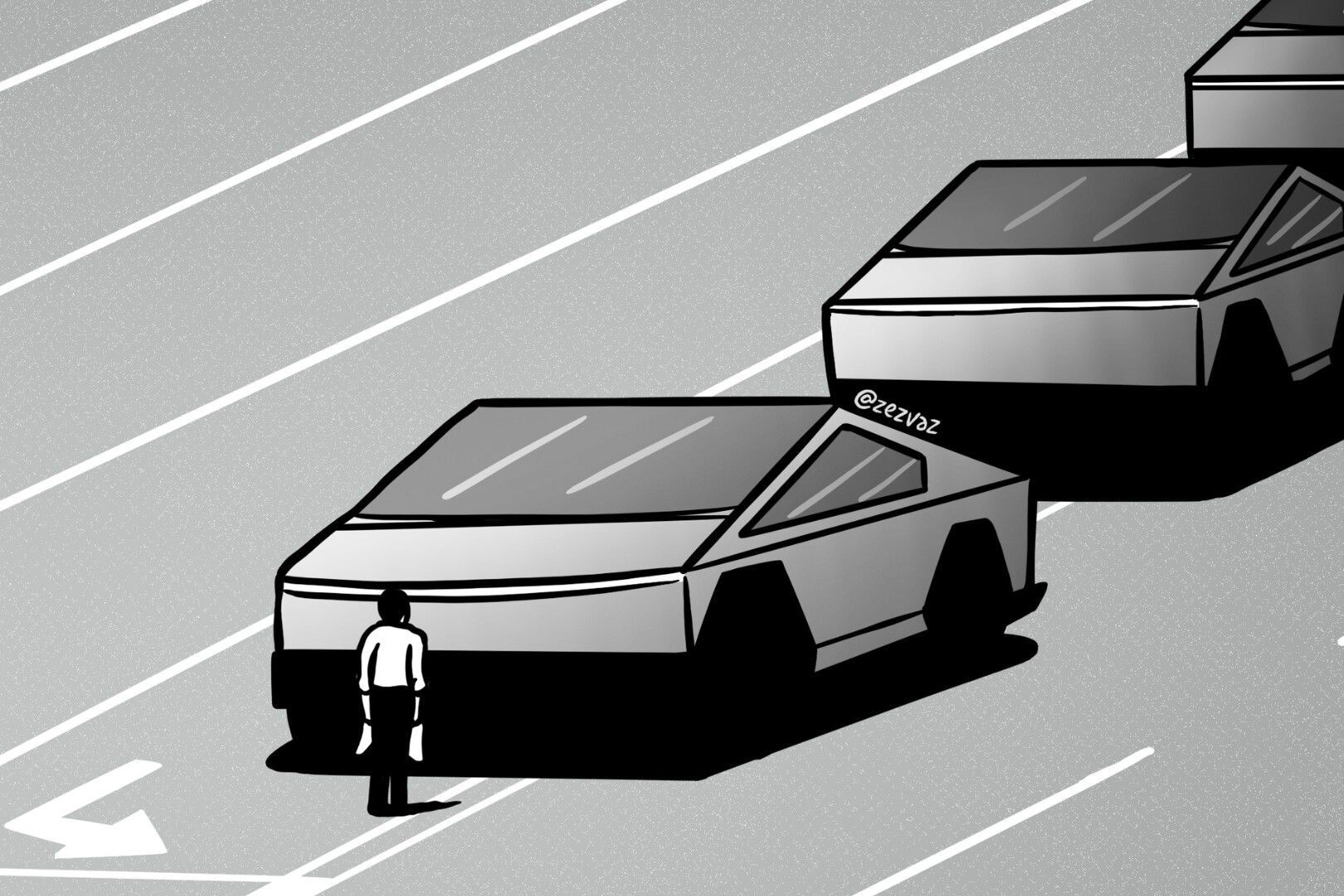
The ban may not be effective but that’s not the point. It’s all about sending a signal. By introducing a “social media ban plus” for under 16s, Keir Starmer is sending a strong message to big tech companies. The message is “You won’t take responsibility, so we’ll cut off possibly the most valuable chunk of your user base”.
The one-eyed nanny has finally been sacked. But she won’t be going quietly. According to a new study, 4 in 5 under 16s in Australia are still accessing social media. Critics argue that the ban is simply enabling big tech to gather even more data.
Watch my full interview with Dita for more on why the social media ban won’t work.
The tech resistance needs to do more than simply shut something down. It’s about building a better understanding of what’s actually going on. Sadly there’s little point in populist, sledgehammer solutions. We need to engage and cohabit with technology. We need to build critical literacy.
As the toys in Toy Story 5 find out, the future is about learning to co-exist.
Main image: screenshot from Toy Story 5 Trailer (Pixar)